Description
| Feature |
Details |
| Pack Size |
2000 Seeds |
| Common Names |
Molokhia, Egyptian Spinach, Mulukhia, Mulukhieh, Molkhia, Jute Mallow, Saluyot |
| Botanical Name |
Corchorus olitorius |
| Plant Type |
Warm Season Annual |
| Days to Maturity |
60 Days |
| Germination Time |
7 to 14 Days |
| Germination Rate |
70 percent or higher |
| Light Requirement |
Full Sun |
| Soil Temperature |
Minimum 70°F (21°C) |
| Sowing Depth |
1/4 inch (6mm) |
| Plant Spacing |
6 to 12 inches apart |
| Soil pH |
6.0 to 7.5 (neutral to slightly acidic) |
| Hardiness Zone |
USDA Zones 8 to 12 (grow indoors in cooler zones) |
| Non-GMO |
Yes |
| Heirloom |
Yes |
| Best Used For |
Soups, Stews, Salads, Stir-fries, Drying, Tea |
| Price |
$20.34 per pack |
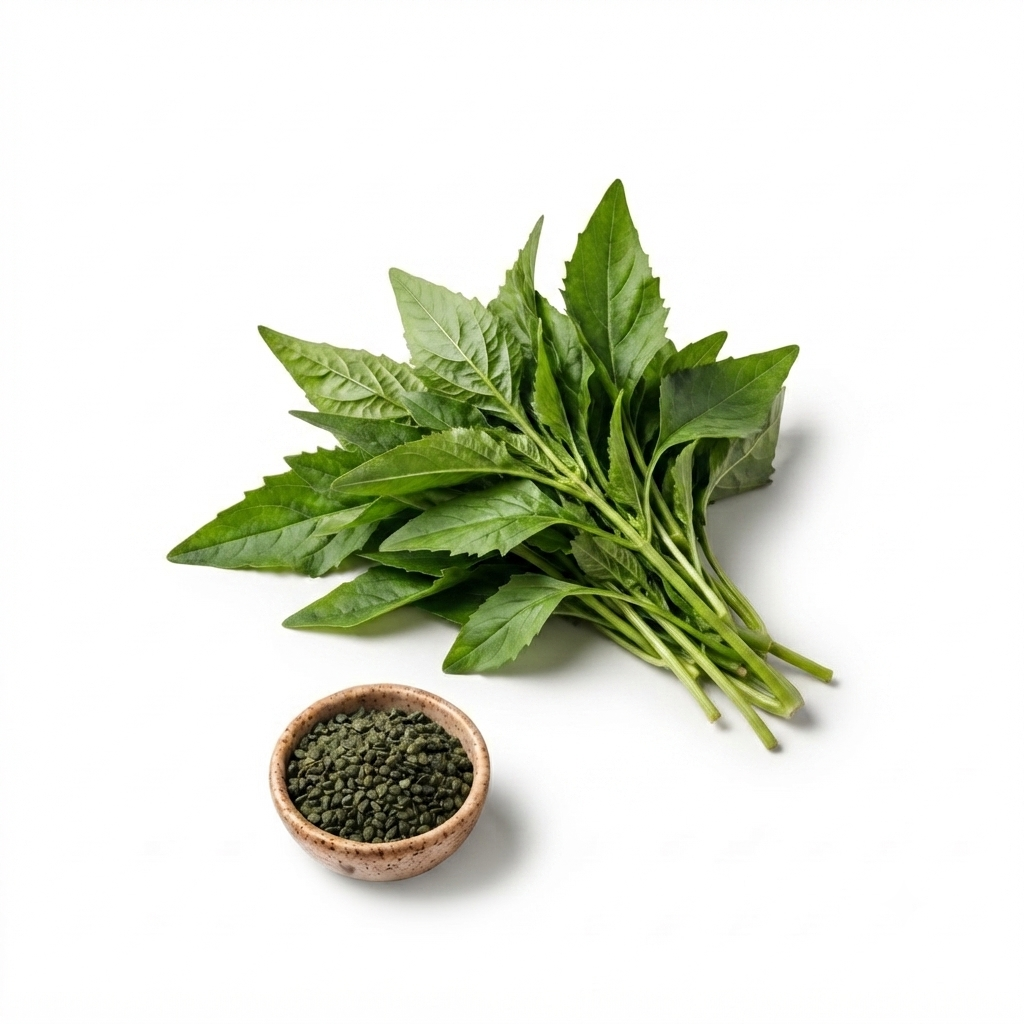
Grow your own ancient superfood with these 2000 Egyptian spinach seeds. Known across the world as molokhia, this incredible leafy green has been eaten since the time of the Pharaohs and remains one of the most widely grown and loved vegetables in Egypt, the Middle East, North Africa, and Asia. Now you can grow it fresh in your own garden.
What Is Egyptian Spinach (Molokhia)?
The molokhia plant, also spelled mulukhia or mulukhieh, is not a true spinach. It is a leafy green from the jute family, scientifically known as Corchorus olitorius. It dates back thousands of years to ancient Egypt where it was reportedly consumed by pharaohs as a healing food, earning it the nickname “food of kings.” Today, molokhia Egyptian spinach is a staple in Egyptian cuisine, commonly made into a rich green soup served over rice with garlic, coriander, and chicken or lamb broth.
The Egyptian spinach flower is small and yellow, appearing when the plant bolts in late summer. While the plant is mainly grown for its leaves, the flowers signal that seeds are forming for the next season, making it easy to save seeds year after year.
How to Grow Egyptian Spinach from Seed
Step 1. Seed Preparation. Soak Egyptian spinach seeds in warm water for 8 to 10 hours before planting. This softens the seed coat and speeds up germination significantly. Skip this step and seeds may take much longer to sprout.
Step 2. Planting. Sow seeds about one quarter inch deep in fertile, well draining soil. Space seeds 6 to 8 inches apart in rows. Plant outdoors in late spring or early summer once the soil has warmed to at least 70°F. In cooler climates, start seeds indoors 6 weeks before the last frost date and transplant when the soil is warm.
Step 3. Germination. Egyptian spinach seedlings emerge in 7 to 14 days. They are fast and vigorous once soil temperatures are right. Thin seedlings to 12 inches apart when they reach 2 to 3 inches tall to allow room for the plant to bush out.
Step 4. Growing. Growing Egyptian spinach is easy as long as it gets full sun and consistent moisture. Water regularly but avoid waterlogged soil. The plant loves heat and will thrive through the hottest summer months when other greens fail. In cooler climates, a greenhouse or hoop house works very well.
Step 5. Harvesting. Begin harvesting leaves once the Egyptian spinach plant is about 12 to 15 inches tall, roughly 6 to 7 weeks after sowing. Always harvest from the top of the plant and leave lower leaves intact. This encourages the plant to keep producing fresh growth. A single plant can provide multiple harvests throughout the season.
Nutrition and Kitchen Uses
Molokhia is considered a superfood for good reason. The leaves are packed with Vitamins A, C, E, and K, along with calcium, iron, potassium, magnesium, and beta carotene. It supports digestion, eye health, and immune function. The leaves have a mild, slightly earthy flavor similar to spinach with a subtle mucilaginous texture when cooked, which makes the soup naturally thick without any added starch.
Use fresh leaves in salads, soups, and stir-fries. Cook them in traditional molokhia soup with garlic and coriander. Dry the leaves for long term storage or brew as an herbal tea. The uses are as versatile as the plant itself.
Why Buy From Green Sprout Haven
Our 2000 seed pack gives you far more seeds per dollar than most competitors. These are genuine heirloom, non-GMO Egyptian seeds that can be replanted season after season by saving seeds from your mature plants. With a germination rate of 70 percent or higher, you can expect strong healthy sprouting from your very first planting.
What is Egyptian spinach called?
Egyptian spinach is most commonly called molokhia. It is also known as mulukhia, mulukhieh, molkhia, jute mallow, saluyot, and Corchorus olitorius. It is a leafy green superfood eaten widely across Egypt, the Middle East, North Africa, and parts of Asia.
How do you grow Egyptian spinach from seed?
Soak Egyptian spinach seeds in warm water for 8 to 10 hours first. Then plant them one quarter inch deep in warm, well draining soil with a temperature of at least 70 degrees Fahrenheit. Seedlings emerge in 7 to 14 days. The plant matures in 60 days and loves full sun.
What does Egyptian spinach taste like?
Egyptian spinach, or molokhia, has a mild earthy flavor similar to spinach or lettuce. When cooked it becomes slightly thick and mucilaginous, which naturally thickens soups. It is commonly made into molokhia soup with garlic, coriander, and broth served over rice.
Is molokhia easy to grow at home?
Yes. Molokhia is one of the easiest greens to grow at home. It thrives in heat, germinates in 7 to 14 days, and reaches harvest in just 60 days. It grows in garden beds, containers, and raised beds. The main requirement is warm soil above 70 degrees and full sun.


Reviews
There are no reviews yet.